Do modern attachments fit vintage KitchenAid mixers? For most vintage mixers, yes, especially power-hub attachments like the pasta roller, grinder, and slicer, but there’s a real, documented exception for the oldest pre-standardization models, where a genuinely different mounting post size means modern bowl attachments won’t physically fit.
Quick Answer: If your vintage mixer is from roughly the 1950s onward, most modern attachments will fit, and KitchenAid’s own Attachment Fit Guarantee backs this regardless of age. If your mixer predates that, specifically models like the 3-C or 4-C, bowl attachments (the flat beater and dough hook) from a modern mixer will not fit due to a smaller mounting post, though power-hub attachments like the pasta roller and grinder should still work.
In this article, we’ll cover:
Will Modern Attachments Fit Your KitchenAid Mixer?
The answer depends on your mixer generation and the type of attachment.
K45 & Later Models
Standard Design Era
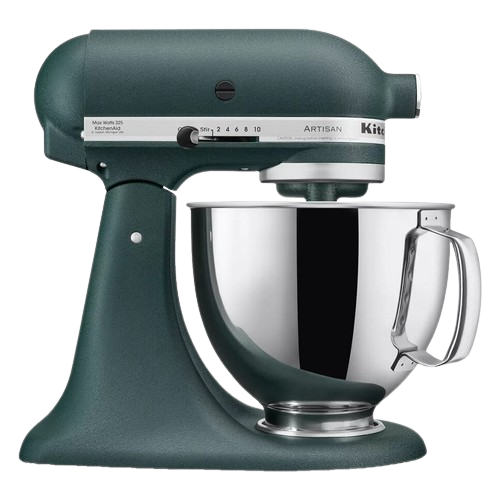
Modern bowl attachments fit
- ✓ Flat Beater
- ✓ Dough Hook
- ✓ Wire Whip
- ✓ Power Hub Attachments
Hobart-Era 3-C & 4-C
Early Vintage Era
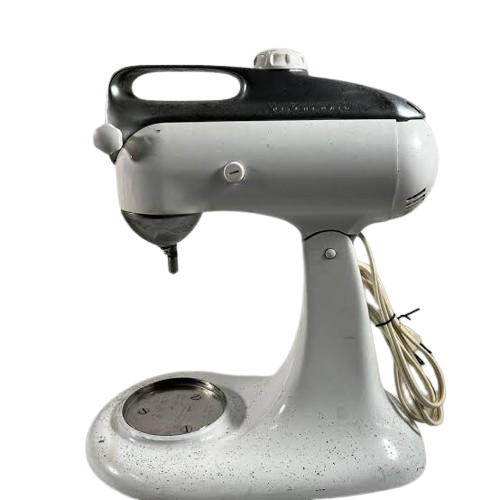
Bowl attachments may not fit
- ✕ Flat Beater
- ✕ Dough Hook
- ✕ Wire Whip
Power Hub Attachments
Across Nearly All Models
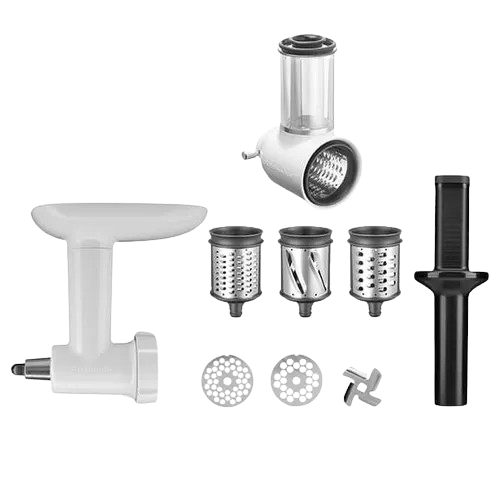
Still compatible
Front power hub accessories work across nearly the entire KitchenAid mixer history.
- ✓ Pasta Roller
- ✓ Food Grinder
- ✓ Slicer/Shredder
- ✓ And More
Quick Rule:
Bowl attachments connect to the mixer generation. Power hub attachments are much more universal.
What KitchenAid's Attachment Fit Guarantee Actually Covers
KitchenAid's official position is that their stand mixers use a universal power hub, and that any attachment designed for that hub fits every stand mixer regardless of age, a promise printed directly on the packaging of every genuine attachment. Independent research into the brand's attachment history supports this claim over an extraordinarily long timeframe, with power-hub attachments reported to fit mixers dating back as far as 1937.
This guarantee is real and holds up well for the large majority of vintage mixers still in circulation, especially anything from the 1950s through today. Where it gets more complicated is the small number of truly early models that predate KitchenAid's long-standing standard design.
Find Your KitchenAid Mixer Compatibility
Select your mixer generation to discover attachment compatibility.

KitchenAid K45
Standard Design Era
Modern bowl attachments are compatible with this model.
Power Hub
- ✓ Pasta Roller
- ✓ Food Grinder
- ✓ Slicer/Shredder
Why Does It Fit?
The K45 introduced the standardized attachment design used by later KitchenAid models.
The Real Exception: Pre-Standardization Models Like the 3-C and 4-C
Here's where the "universal fit" claim needs a caveat most sources skip over. Owners of genuinely early KitchenAid mixers, specifically models like the 3-C, report that modern bowl attachments, the flat beater and dough hook, do not fit these units. The reason is physical, not a guarantee technicality: the mounting post these older models use to secure bowl attachments is meaningfully smaller in diameter than the post used on the standard design that's remained consistent since roughly the K45 era. The bowl itself is also narrower on these earliest models, compounding the mismatch.
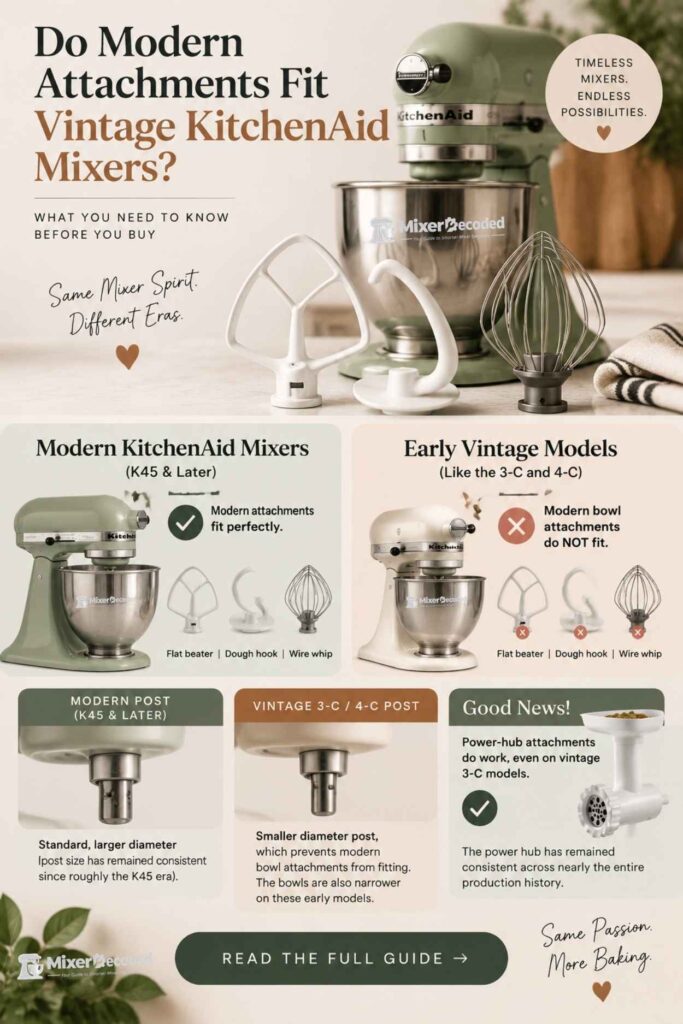
Worth knowing if you own one of these: models like the 3-C predate KitchenAid's current corporate era and come from when the mixer line was manufactured by the Hobart Manufacturing Company, the original maker of the KitchenAid stand mixer before the brand later changed hands. A vintage Hobart-era KitchenAid mixer is exactly the kind of unit most likely to fall into this mounting-post exception, since it comes from before the standardized design was established.
Importantly, this exception is specific to bowl attachments, not power-hub attachments. The same owner reporting this incompatibility confirmed that front-mounted, power-hub accessory attachments did work on their vintage 3-C. This tracks with the broader Fit Guarantee claim, since the power hub has genuinely stayed consistent across nearly the entire production history, while the bowl attachment mounting mechanism is what actually changed at some point in the brand's early decades.
Which Attachments Are Affected, and Which Aren't
Compatibility depends on how the attachment connects to the mixer and which generation your KitchenAid belongs to.
Power Hub Attachments
Compatible across nearly all KitchenAid generations
Power hub accessories such as pasta rollers, food grinders, slicers and shredders are among the most widely compatible KitchenAid attachments. They connect through the front power hub, which remained standardized across nearly the entire production history.
- ✓ Pasta Roller & Cutter
- ✓ Food Grinder
- ✓ Slicer & Shredder
- ✓ Other Power Hub Accessories
Bowl Attachments
3-C and 4-C models require extra checking
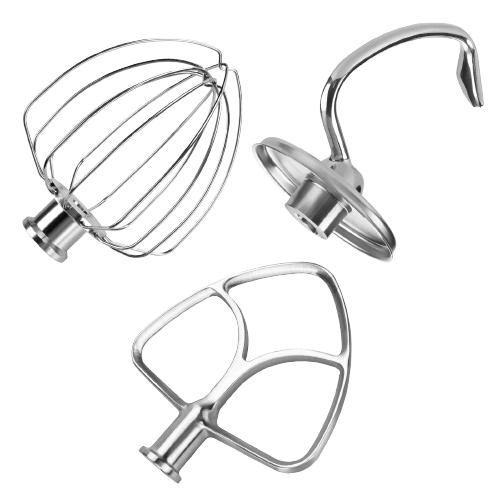
The flat beater, dough hook and wire whisk attach through the bowl mounting system. Early pre-standardization models like the Hobart-era 3-C and 4-C used a different mounting post design.
- ✕ Flat Beater
- ✕ Dough Hook
- ✕ Wire Whip
Mixer Bowls
Depends on size and locking mechanism
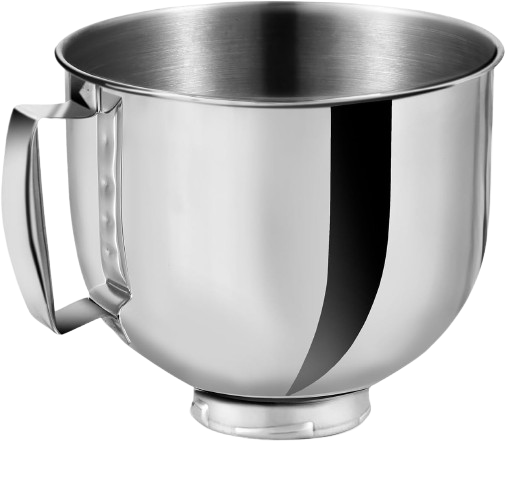
Vintage bowl compatibility is a separate issue. The correct fit depends on bowl size, locking mechanism, and the generation of the mixer itself.
- • Bowl diameter
- • Locking mechanism
- • Mixer generation
Quick Takeaway
Power hub attachments have stayed consistent across nearly all KitchenAid mixers. Bowl attachments and bowls are where early 3-C and 4-C models create compatibility exceptions.
- Likely to fit almost any vintage KitchenAid, including the earliest models: pasta roller and cutter, food grinder, slicer and shredder, and other power-hub accessories, since these connect to the front hub that's remained standardized across nearly the entire production history.
- May not fit true pre-standardization models like the 3-C or 4-C: the flat beater, dough hook, and wire whisk, since these attach via the bowl mounting post, which is the one component confirmed to differ in size on the earliest models.
- Bowls themselves: vintage bowl compatibility depends on both size and the locking mechanism generation, which is a large enough question to deserve its own dedicated answer rather than a summary here.
How to Tell If Your Mixer Is Old Enough to Be an Exception
- Check your model number first. See How to Find and Decode Your KitchenAid Model Number to locate and decode yours. Models starting with K45 or later generally follow the modern standard.
- Look at the mounting post itself. If you're comparing an attachment against your mixer directly, a visibly smaller-diameter post than what's shown on a current attachment's packaging is the clearest physical sign of a pre-standardization model.
- A small gap is normal, don't mistake it for incompatibility. KitchenAid's own documentation notes that up to a one-eighth-inch gap between an attachment's housing and the mixer hub is expected and doesn't mean something's wrong.
Pro Tips
- Try the power-hub attachment first if you're testing an unfamiliar vintage mixer. Since these have the longest and most consistent compatibility history, a successful fit there is a good early sign, even before you've fully identified your exact model.
- Don't assume "vintage" automatically means incompatible. The real exception applies to a narrow, early category of models. A mixer from the 1970s, for example, as confirmed by real secondhand owners, is very likely to accept modern attachments without issue.
- If you've inherited a mixer with no visible model sticker, photograph the mounting post and bowl shape before shopping for attachments. This gives you something concrete to compare against product listings, even without a confirmed model number.
- Keep expectations realistic for true pre-standardization models. If you do own something like a 3-C, sourcing period-correct bowl attachments secondhand is often more realistic than trying to adapt a modern one.
Frequently Asked Questions
Do modern attachments fit vintage KitchenAid mixers made in the 1960s or 1970s?
In most cases, yes. The standardized mounting design that supports modern attachment compatibility has been in place since roughly the K45 era, which covers the large majority of mixers from this period.
Will a modern dough hook fit my KitchenAid 3-C?
Likely not. The 3-C uses a smaller mounting post than the standard design used on modern mixers, so bowl attachments like the dough hook and flat beater generally won't fit, even though power-hub attachments typically still will.
Is there an adapter available for very old KitchenAid mixers?
This isn't something confirmed as an official KitchenAid product. If you own a true pre-standardization model, sourcing period-correct attachments secondhand is generally the more reliable path than searching for an adapter solution.
How do I know if my vintage mixer is old enough to be affected?
Check your model number first. Anything from the K45 generation onward generally follows the modern standard. If your mixer predates that or you're unsure, comparing the physical mounting post size against a current attachment is the most direct way to check.
Is my vintage KitchenAid stand mixer safe to use?
This is a separate question from attachment compatibility, and it depends mainly on the mixer's electrical condition rather than its age alone. A well-maintained vintage mixer with an intact, undamaged cord and no signs of internal wear can often still run safely, but any mixer with a frayed cord, exposed wiring, or a motor that's never been inspected should be checked by a qualified repair technician before regular use, regardless of how good it looks cosmetically.
Final Thoughts
The honest answer to whether modern attachments fit vintage KitchenAid mixers is mostly yes, with one specific, well-documented exception.
KitchenAid's Attachment Fit Guarantee holds up remarkably well across decades, and power-hub attachments in particular have an exceptionally long compatibility history.
The real caveat applies narrowly to bowl attachments on the earliest pre-standardization models, like the 3-C and 4-C, where a genuinely different mounting post size is the actual physical cause, not a marketing exception.
If you're unsure exactly where your mixer falls, starting with your model number is the fastest way to find out.
Related Reading:
How to Find and Decode Your KitchenAid Model Number
KitchenAid Attachment Compatibility Guide
Last Updated on September 7, 2026 by Susan Joy