Why Is My Mixer Shaking?
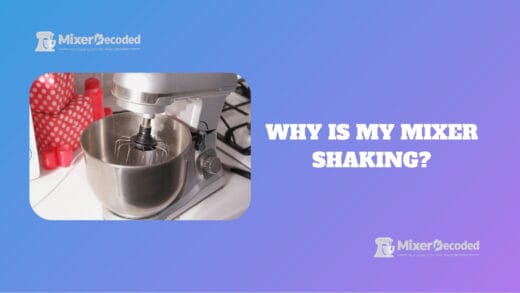
0A mixer that shakes, rocking back and forth or visibly moving across the counter during use is almost always a mechanical or positional issue rather than a sign of internal damage.
A mixer that shakes, rocking back and forth or visibly moving across the counter during use is almost always a mechanical or positional issue rather than a sign of internal damage.

A mixer losing speed means the beater is turning slower than the dial setting suggests it should even with little or no resistance from what’s in the bowl.
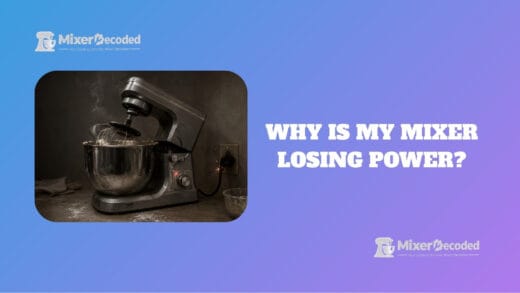
A mixer that feels weaker than it used to, struggling with dough it once handled easily, or mixing more slowly than before; is usually telling you one of two things

A burning smell from your mixer isn’t always a sign of failure. A faint, short-lived odor from a brand-new mixer is common and usually harmless.
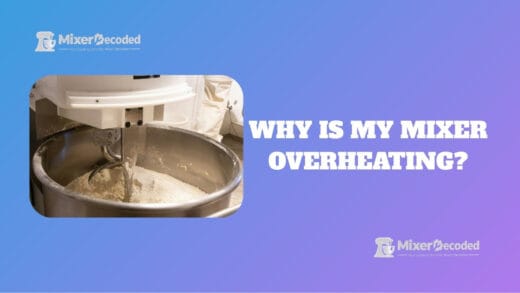
Some warmth during heavy use is normal for a stand mixer motor. But a mixer overheating — where the mixer is hot enough to be uncomfortable to touch, smells hot
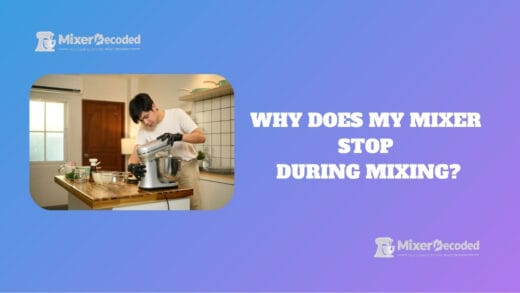
If your mixer starts fine but shuts off partway through a task, the most likely cause is a built-in safety feature — not a broken mixer. Most stand mixers

A grinding noise from your stand mixer usually means two hard surfaces are making contact that shouldn’t be — most often gears, an attachment, or a bearing. Some causes are harmless and fixable in minutes.
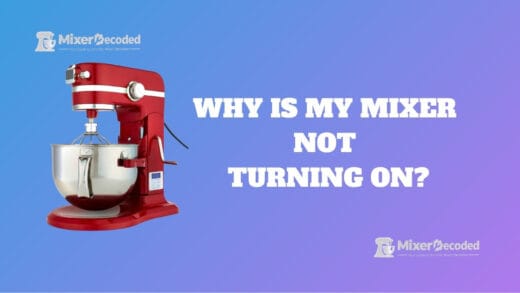
If your stand mixer suddenly won’t respond — no hum, no light, nothing — the instinct is to assume the motor has died. In most cases, that’s not what’s actually wrong.